
U.S. passport
Do you need a visa for Turkey?
No. U.S. citizens with an ordinary passport can visit Turkey (officially Türkiye) without a visa for up to 90 days in any 180-day period. You don’t need an e-Visa, and there’s no fee. The State Department says your passport must be valid for 6 months beyond your entry date and have space for entry and exit stamps. To work or study, or to stay longer than 90 days, you need a visa or a residence permit.
Visa-free. You don’t need to apply for anything before you go, though some countries ask you to fill out a digital arrival card (such as Thailand’s TDAC or China’s arrival card).
Visa, travel authorization, or visa-free?
- VisaPermission to enter, issued by the country. You apply online (e-Visa) or through the embassy, the consulate, or its visa center.
- Electronic travel authorization (UK ETA, NZeTA)Not a visa. It’s a pre-travel check for visitors who don’t need a visa, linked to your passport, and you apply for it online.
- Visa-free · This destinationYou don’t need to apply for anything before you go, though some countries ask you to fill out a digital arrival card (such as Thailand’s TDAC or China’s arrival card).
At a glance · Visa-free entry (90 days in 180)
USTR
Visa required?
NoVisa-free
How to apply: Visa-free (90 days)
- Government fee
- No fee
- Official processing time
- No application needed
- Validity
- 90 days in any 180-day period
How to apply officially
Documents you need
- An ordinary U.S. passport. Holders of official U.S. passports need a visa. Expiring before your trip? How to renew your U.S. passport
- A passport valid for at least 6 months beyond your entry date, the State Department says. Turkish law requires at least 60 days beyond the end of your stay (150 days of validity when you enter for a 90-day stay), and Türkiye’s Ministry of Foreign Affairs advises 6 months from the date you arrive.
- Enough blank space in your passport for entry and exit stamps. If there isn’t enough space, you’ll be denied entry.
- Travel insurance isn’t required for entry, but the State Department recommends it.Compare travel insurance for TurkeyWhich countries require travel insurance
Other requirements
- A trip of up to 90 days in any 180-day period that isn’t for work, study, or academic or scientific research.
No visa, just your passport
No visa, no fee
There’s no visa to apply for. Your passport is enough at the border, as long as you meet the conditions for visa-free entry.
Step by step
- 1Check that your U.S. passport is valid for 6 months beyond your entry date and has blank space for stamps.
- 2At passport control, show your passport and make sure you get an entry stamp. You need it to fly within Turkey.
- 3Don’t stay more than 90 days in any 180-day period. To stay longer, apply for a residence permit in Turkey before your 90 days are up.
- 4When you leave, get an exit stamp in your passport. Without it, you may have trouble entering Turkey in the future and may have to pay a fine.
Compare with the government fees of other destinations
What’s different for U.S. passport holders
- To stay longer than 90 days, you need a residence permit. You apply to the Presidency of Migration Management for it after you arrive. To work, you also need a work permit from the Ministry of Labour and Social Security.
- U.S. citizens aged 21 to 55 who work remotely may qualify to live in Turkey with “digital nomad” status, the U.S. Embassy in Türkiye says.
- Dual U.S.-Turkish citizens may be subject to Turkish laws that place special obligations on Turkish citizens. Male dual citizens over 18 may be subject to compulsory military service in Turkey. Turkish authorities may not tell U.S. officials if they arrest a dual citizen.
- Mount Ararat, in Ağrı province, is a special military zone. To visit it, you must get permission from a Turkish embassy or consulate before you travel to Turkey.
When you arrive
What to fill out, show, or have ready when you arrive.
- Mobile data
- Most U.S. cell phone plans don’t cover you abroad, and roaming rates can be much higher, so check with your carrier before you go. Some eSIM services are restricted in Turkey, so ask your eSIM provider whether it works there.eSIM for TurkeyWhen a travel eSIM is worth it
What the State Department says
For every country, the U.S. Department of State publishes a Travel Advisory, from Level 1 to Level 4, and a Country Information page covering safety, health, and entry requirements. Below is a short summary for Turkey. The official page is what counts, and it can change at any time, so read it before you book.
Travel Advisory
Level 2: Exercise Increased Caution
Checked November 12, 2026
- Safety
- The State Department’s Travel Advisory for Turkey is “Level 2: Exercise Increased Caution” because of terrorism, armed conflict, and arbitrary detentions. Don’t travel to the border region with Syria and Iraq. Turkish authorities have detained Americans for alleged links to terrorist groups based on scant evidence, and some have been barred from leaving the country. Criticizing the government, including on social media, can lead to arrest, and so can joining protests the government hasn’t approved.
- Local laws
- It’s illegal to show disrespect to Atatürk’s name or image, or to insult the Turkish government, flag, president, or security forces, including on social media. Drug penalties include heavy fines and 4–20 years in prison. If you buy antiquities, use authorized dealers and get a receipt and museum certificate for each item, or you can be arrested when you leave.
- Health
- Private hospitals in Ankara, Antalya, Izmir, and Istanbul have modern facilities, but standards are lower in small cities. Medicare doesn’t cover you overseas, and the State Department notes that most providers overseas accept only cash. It strongly recommends insurance that covers medical evacuation.
- Entry
- Your passport must be valid for 6 months beyond your entry date and have space for entry and exit stamps. Get an entry stamp, which you need to fly within Turkey, and an exit stamp when you leave. Earthquakes occur throughout Turkey, so make an emergency plan.
U.S. Department of State
Read the official pageFrequently asked questions
Do U.S. citizens need a visa for Turkey?
No. U.S. citizens with an ordinary passport can visit Turkey visa-free for up to 90 days in any 180-day period. There’s nothing to apply for and no fee.
Do I need an e-Visa for Turkey?
No. U.S. citizens are exempt from the visa requirement, so you don’t need an e-Visa. Websites that sell a Turkish e-Visa to U.S. citizens are charging you for something you don’t need.
Can I get a visa on arrival in Turkey?
You don’t need one. With an ordinary U.S. passport, you enter Turkey visa-free for up to 90 days in any 180-day period.
What documents do I need to enter Turkey?
An ordinary U.S. passport valid for 6 months beyond your entry date, with blank space for entry and exit stamps. Carry your passport or a copy of it at all times in Turkey, as the State Department recommends.
How long can I stay in Turkey without a visa?
Up to 90 days in any 180-day period. To stay longer, apply to the Presidency of Migration Management for a residence permit after you arrive. If you plan to work, study, or do research, get a visa from a Turkish embassy or consulate before you travel.
What medications are not allowed in Turkey?
The State Department doesn’t list them. It says to check with the Turkish government to make sure your medication is legal in Turkey, and to carry it in its original packaging with your doctor’s prescription. Some medications may not be available in Turkey.
Do I need a visa service?
No. There’s nothing to apply for before a visa-free trip, so you don’t need a visa service for tourism.
Is Visania an official website?
No. Visania is an independent guide. The official visa rules are on the website of Türkiye’s Ministry of Foreign Affairs, linked on this page.
Guides on Turkey
 Before you go
Travel eSIM or your carrier’s international plan? When it’s worth it and what changes by country
When a travel eSIM beats your carrier’s international plan or a local SIM card, and what to know about phones in Russia, China, India, Turkey, and Cuba.Updated November 18, 2026 Before you go
Do I need travel insurance? Countries that require it for U.S. citizens
Most countries don’t require travel insurance from U.S. citizens. See which do, where you must buy a local policy, and if Medicare or your card covers you.Updated November 16, 2026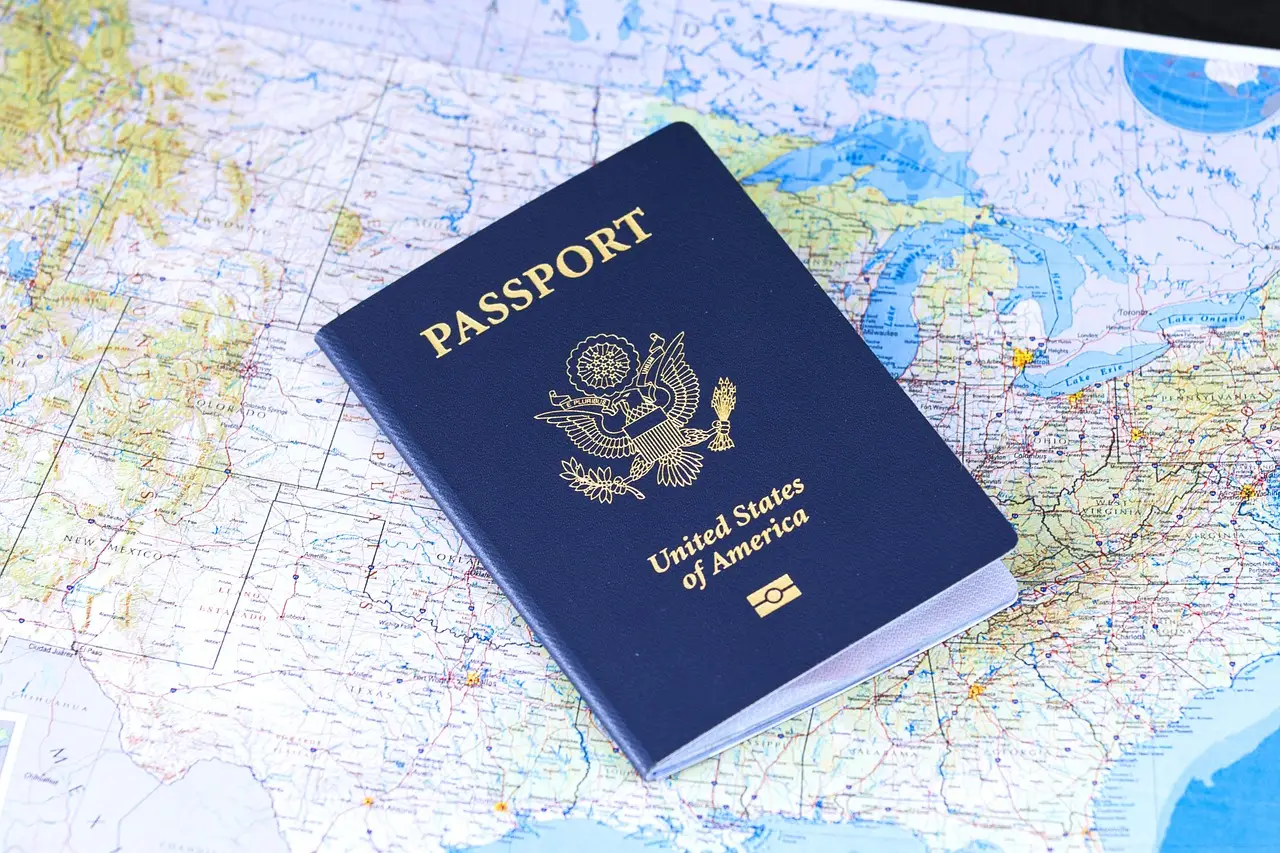 Visa basics
How to renew your U.S. passport: online or by mail, fees, and processing times
Renew your U.S. passport online or by mail for $130: who qualifies, Form DS-82, photo, where to mail it, processing times, and when to renew before a trip.Updated November 16, 2026
How we checked this page
Entry rules come from the government of the destination country; safety and health information comes from the U.S. Department of State. For more details, see how we work.
Official sources
- Türkiye’s Ministry of Foreign Affairs: Visa information for foreignersmfa.gov.tr
- Türkiye’s Ministry of Foreign Affairs: Passport validity requirementsmfa.gov.tr
- U.S. Embassy & Consulates in Türkiye: Obtaining a visa for Türkiyetr.usembassy.gov
- U.S. Department of State: Turkey Travel Advisory and Country Informationtravel.state.gov
- FCC: Wireless World Travel Made Simple (tip sheet, PDF)docs.fcc.gov
- FCDO: Turkey travel advice (GOV.UK)gov.uk
eSIM coverage: Yesim’s “Turkey” page.
We follow the official sources and update the page as soon as anything changes. The date shown is when we last checked a piece of data on this page (fees, processing times, visa service prices, or reviews).
Last updated
Last full review of the page:
- Written by
- Irena Domingo
- Reviewed by
- Irena Domingo
Rules, fees, prices, and hours can change without notice, and despite our checks, mistakes are possible. Before you pay or go in person, confirm the details on the official website or with the visa service.
Report an error